Concert Packing List

This guide outlines the tools, supplies, and processes we rely on when planning Ska and Reggae Society events. It serves as a practical reference for our team and for other organizations. It is our manual, of sorts, to consider all the parts of putting on an event and the things you might want to think about!
Event and Venue Infrastructure
To start, let’s go over the big pieces. Hopefully your venue has many of these already but especially for outdoor events you may need to do some work to build your environment.
Staging
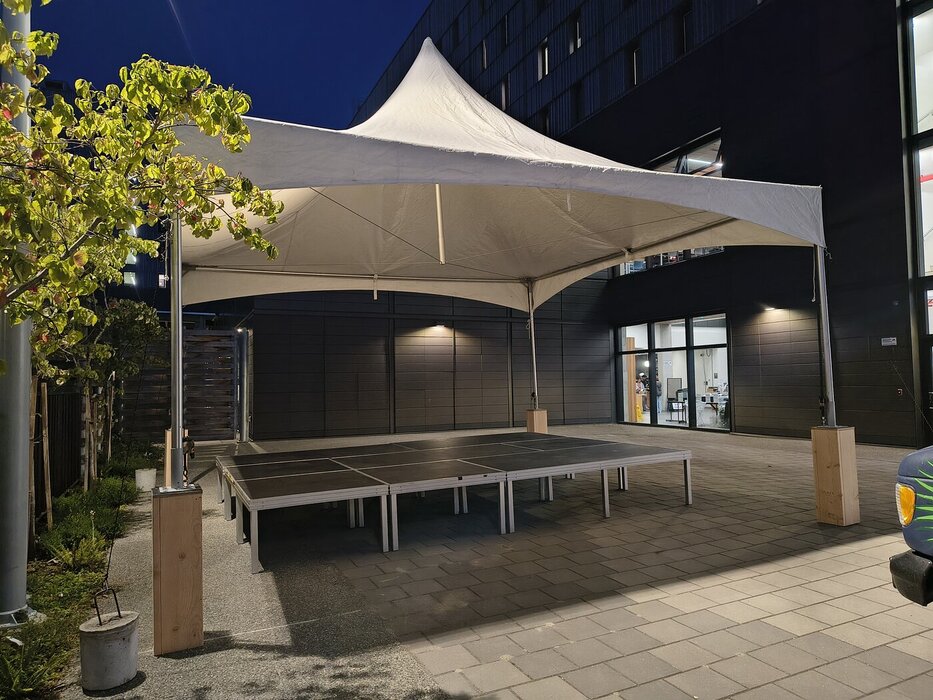
Depending on the event you’ll likely want a stage. Hopefully the venue has one, but if not we do have a portable stage we can rent you. A stage 16’ wide by 12’ deep is generally large enough for up to a 6 to 7 piece band. Sometimes you can gain a little extra space by moving the stage monitors onto milk or subwoofers in front of the stage if things are tight.

Stage Cover
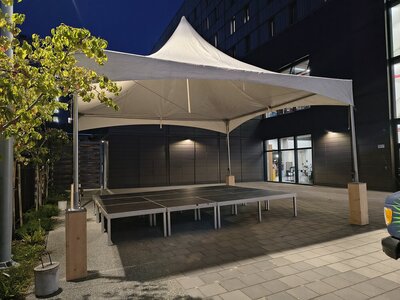
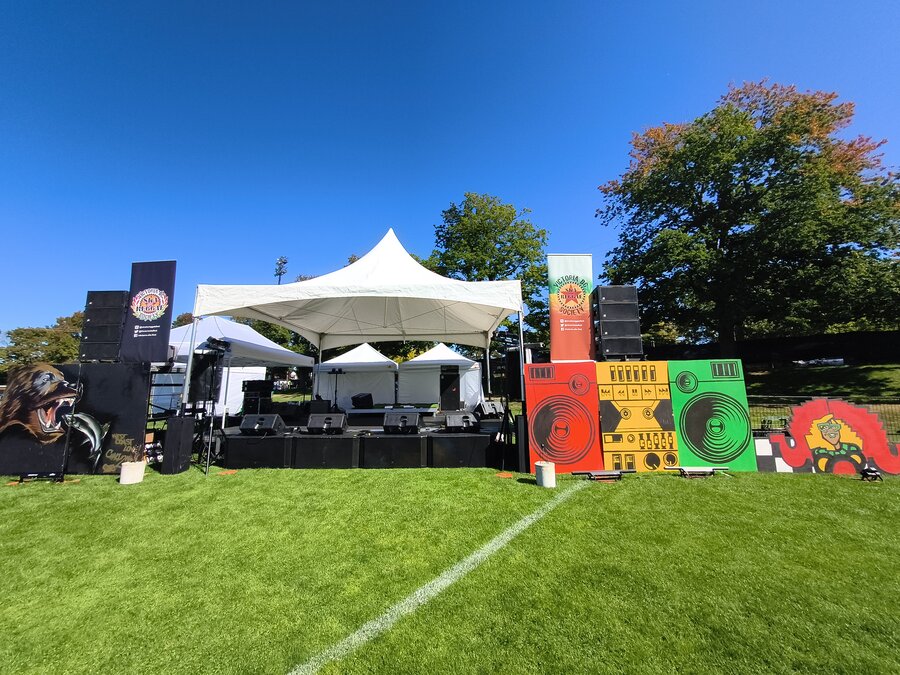
For outdoor events covering the stage is essential. Even if the forecast doesn't call for rain, nature can surprise you. We’ve seen some serious damage happen to instruments and sound gear when event presenters thought they’d roll the dice. Even on a sunny day, you’ll want shade.
You’ll want your stage cover to extend past the edge of the stage by a couple of feet, and you need to make sure it is tall enough. We use our 20x20 Marquee tent to cover a 12x16 stage, with a little extra room. We built ourselves some custom 3’ leg extensions to get the tent up high enough.
Tents / Banner Stands
If you are outside you’ll need plenty of tents. Whether it’s sun or rain, people will want cover. A tent also makes a good landmark to help people find what they are looking for.
For larger indoor shows, we like to use banner stands to hold banners to let people know where the bar or merch area is. We have a number of non-branded banners to direct people to the bar, merch area, ticket sales etc.
We’ve got 10x10, 10x15 and 10x20 pop-up tents available for rent as well as tent walls with zipper doors for dressing rooms, offices, food prep etc.
Tables and Chairs
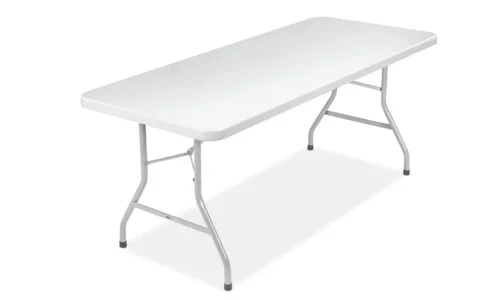
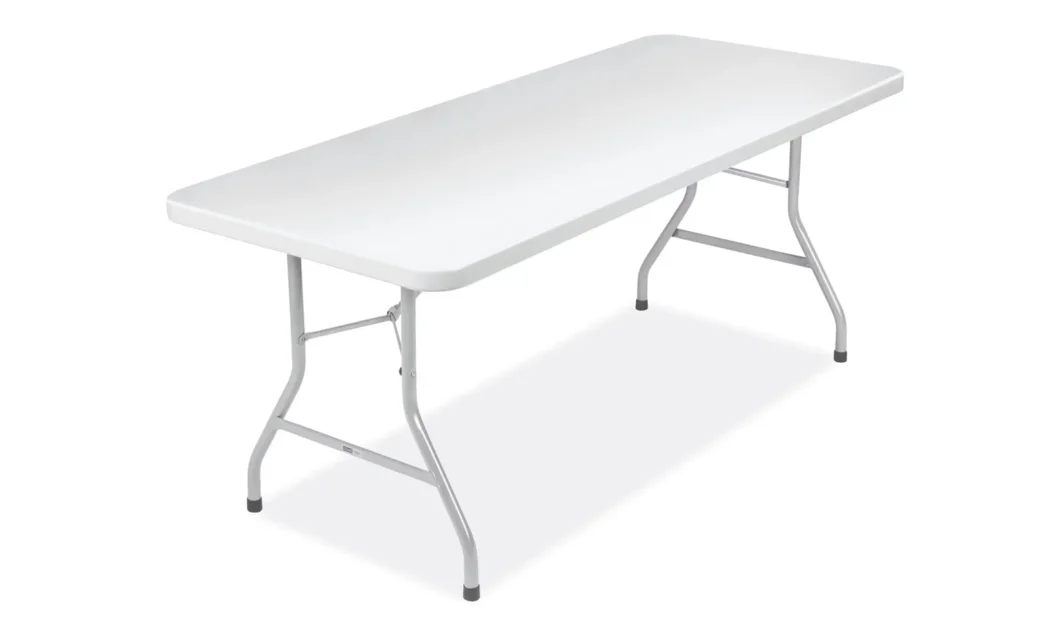
Tables and chairs are one of those things that get used much faster than you’d expect. Plan for a few more than you might expect.
At the Ska and Reggae Fest, for our Ship Point venue (approx 2000 capacity) we use 150 chairs and 60 tables, and that is without providing any chairs or tables to patrons. All of those are used in the bar, merch tent, volunteer and hospitality areas etc. The City of Victoria’s Event Equipment program can provide large quantities of tables and chairs, and we’ve got you covered for smaller table and chair orders.

Bars and DJ Tables
If you’ve got a DJ playing, you’ll need something to put them on. A standard table is often too low, so we’ve built a few custom portable DJ table options. Don’t forget some tablecloths to make them look nice. If you do want to use standard folding tables, we have table leg extensions to raise them up 6 inches. Bartenders often like to be a little higher as well.
Water
For outdoor events, you may want access to water for drinking, handwashing and cleaning.
We’ve got a variety of drinking-grade hoses to help get water to where you need it, as well as water pumps and bottles for easy distribution.
Check out our full list staging & event infrastructure rentals to come up with ideas of things you might want.

Sound & Lighting
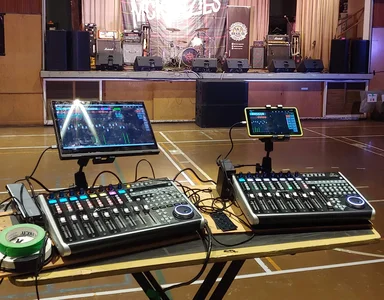
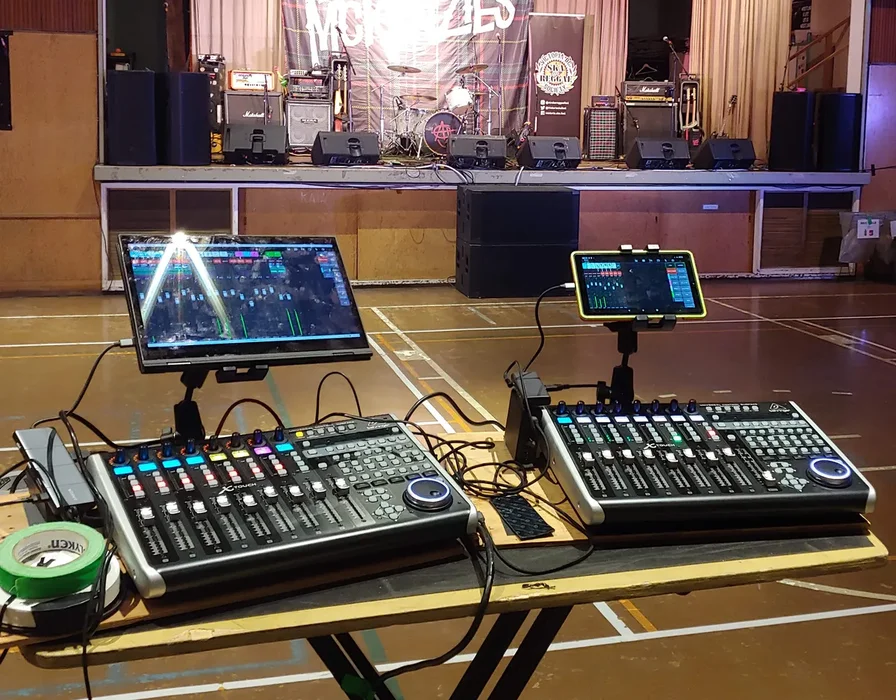
Good sound and lighting are essential to any show. Figure out what you need for sound gear, how many mics, DIs, and monitors you’ll require, and what kind of lighting will best suit your space.
Don’t forget areas outside the stage — audience areas, food vendors, and pathways often need some extra light. Our clamp lights and string lights are perfect for that.
For full systems and instruments, explore our PA, Backline & Lighting Rentals. We can also help with delivery, setup and running, lights and sound gear — contact us here to make your event run smoothly from load-in to encore.

Power
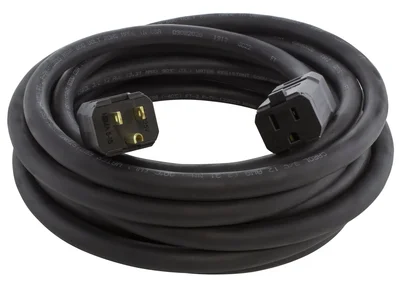
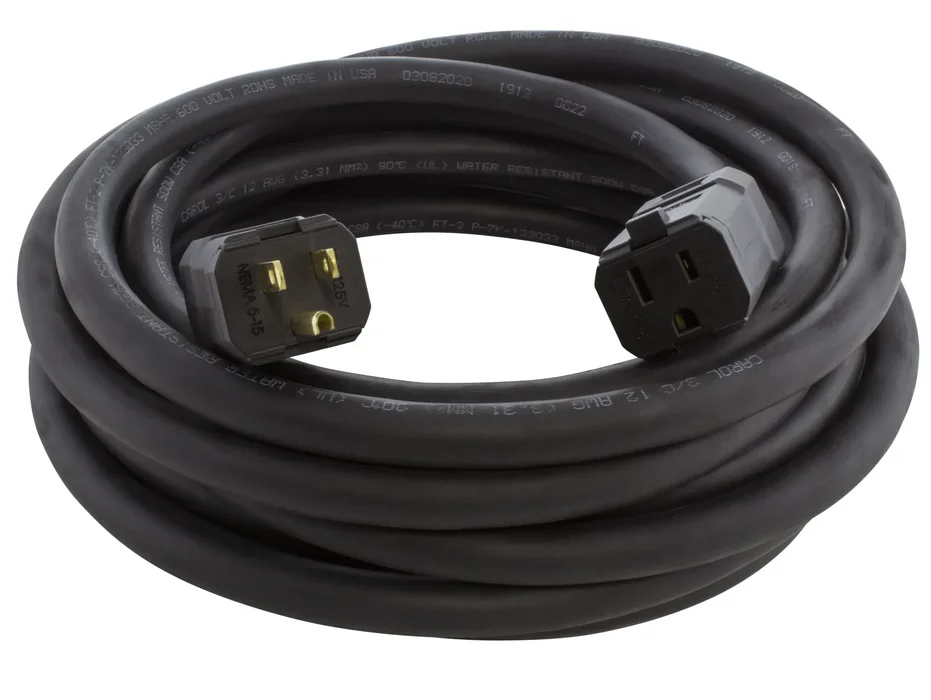
Power is one of the easiest things to underestimate. You’ll almost always want to have a little extra. Running around trying to find a power bar right before door time is never fun. Even a small stage should have at least two separate circuits, feeding plenty of power bars and it’s smart to keep extension cords under 100 feet for 120V or 150 feet for 220V circuits to avoid voltage drop. Use the right cable to avoid voltage drop and overheating: At 12AWG for long runs cords, and 14AWG–16AWG only for shorter runs and lower draws.

Always know where your breakers are, and split your load between circuits, keeping stage, vendors, and lighting on different circuits. For a more heavy duty band show our Power Kit A is a great example of what we like to bring, just for the stage, if you are running a DJ event Power Kit C has power as well as all the other cords you need. We usually add Power Kit B when we do large events to cover other power in the venue.
Vendors often have higher amperage needs or special connectors: Appliances like kettles, warmers, fridges, smoke machines, and incandescent lights pull heavy loads. Always make sure to discuss your vendor's needs with them in advance, and get pictures of their connectors whenever possible. Make sure you’ve got a plan in place for how everything will get plugged in. Multiple vendors running their own extension cords is a real quick way to blow circuits.
If you have artists coming from overseas, you might need converters to support their equipment. We’ve got a few power converters and adaptors if you need them.
If you want a simplified setup, our power kits save time and ensure you don’t miss the essentials. Bundles are designed based on what we actually use at events, so they’re practical, complete, and easy to use on show day.
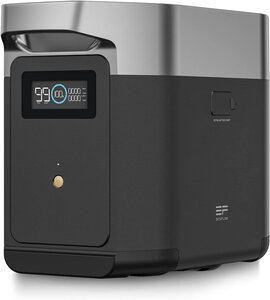
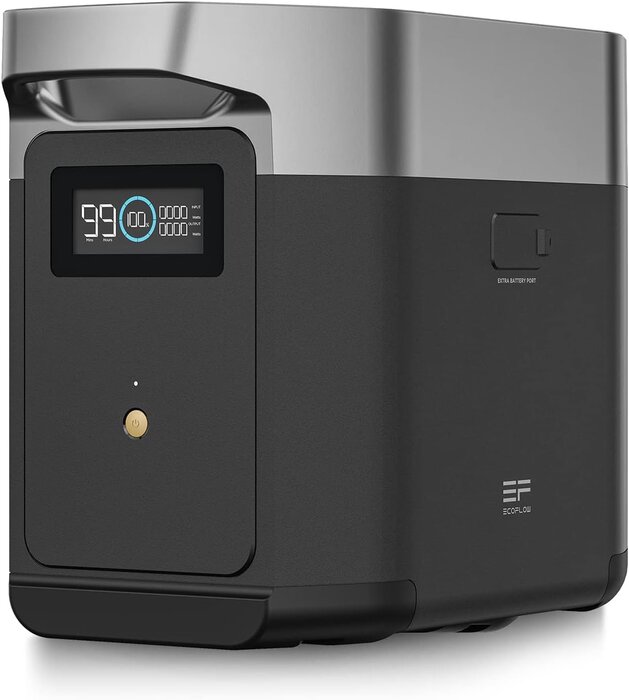
We’ve got you covered with power solutions and generators & battery units.

Internet & Networking On-Site
These days many events need Wi-Fi for ticket scanning, POS systems, or livestreaming. For mission critical systems, venue Wi-Fi will seem great during setup but is often unreliable or overloaded once the audience arrives.
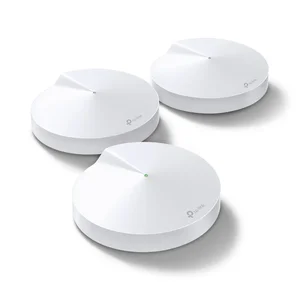
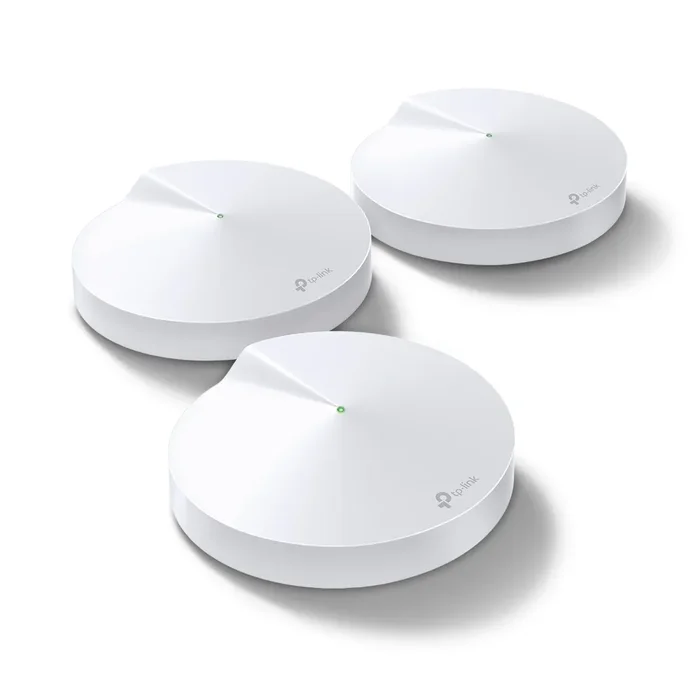
We always build our own wifi network with Wi-fi mesh units that can extend venue internet (hardwired or Wi-Fi) or connect to a Cellular Router.
Be cautious about giving WiFi network passwords to artists. It’s best to keep them off the mission critical network and give them the venue WiFi. The venue WiFi will work fine for them before the doors open when they want to video chat with family and friends back home, but you don’t want to risk that on the same network as your livestream or point of sale.

Payments & Cash
Digital Payments
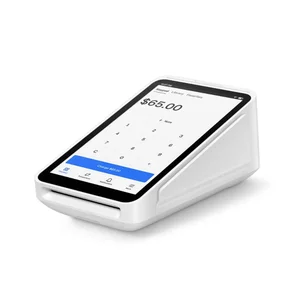
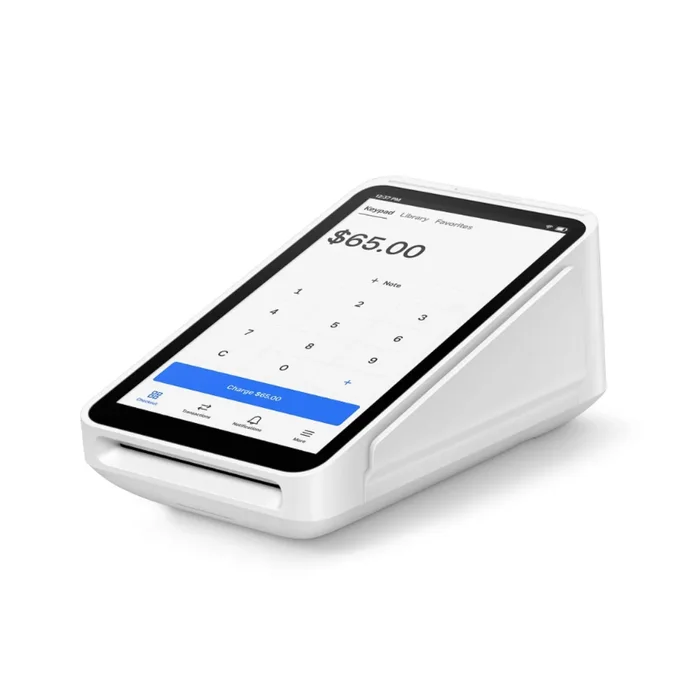
If you’re selling tickets, merch, or drinks, setting up a Square account and integrating that into a way to take payments is quick and easy, and we’ve got tons of Square payment terminals available.

Cash and Tills
You’ll also want to be able to take cash. It’s not as common as it used to be, but you’ll still want to support it. We’ve found that proper cash drawers with spring-loaded bill holders are often better than a simple cash box, especially if you are outside in the wind. Ours come with sturdy boxes, and if desired Cables and padlocks to lock them in place. We’ve found that these days just having one cash till in each area (bar, merch, ticket sales, etc) is enough, and just add more digital payment terminals to scale up. For example we’ll have one cash till and 3 square terminal on the sales end of a bar serving 1200 people.
Floats
Don’t forget to bring a float for your tills! Ideally have it organized before the event starts so it’s not a last minute scramble. Consider what prices are, and what common change amounts will be so you have enough change, and good increments for tips, but don’t break your back hauling extra coins you don’t need. It’s also helpful to have a few 20s in your floats so if the first customer pays with a $100 bill you aren’t burning all your 5s.
Counting and Sorting
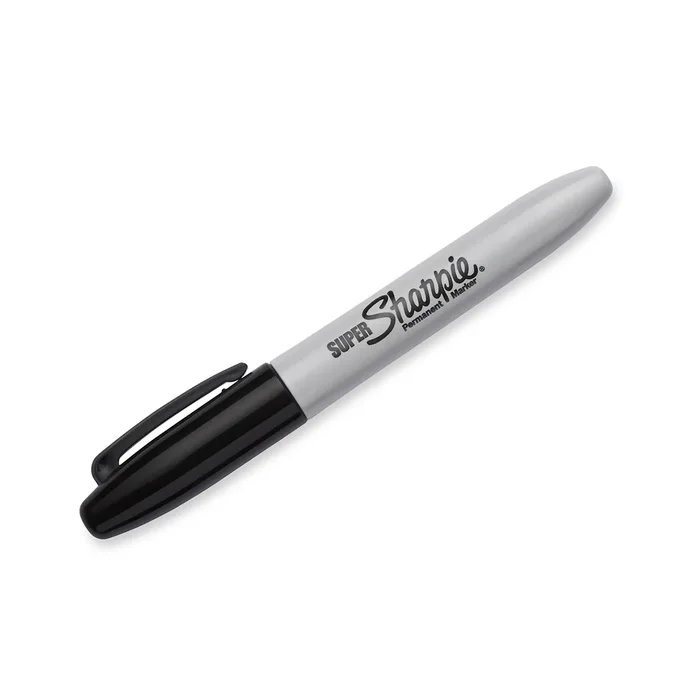
Make sure to bring some ziplock bags, or other zipper pouches, to organize floats and cash from various areas, and a sharpie to label them. Don’t forget extra bags for tips and donations.
Donations and tip jars generate a ton of change so a coin counter is super helpful for larger events. Also be sure to bring a sturdy backpack for transporting money, especially the float at the beginning which can get really heavy.
Safes
Once you’ve collected all your cash, you need to keep it safe and count it. We like to use a dual custody safe when possible and give one key to each member of the cash team, so no one person can access cash on their own. We also have a deposit safe that can be easily locked to infrastructure with a cable lock. That way multiple people can put money in but not pull it out.
We’ve got some handy spreadsheets for tracking cash, and planning floats we’d be happy to share. If you want help or advice get in touch.
Beverage Service
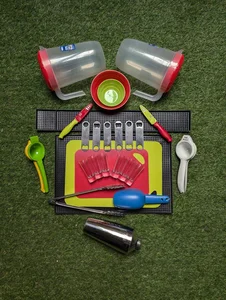
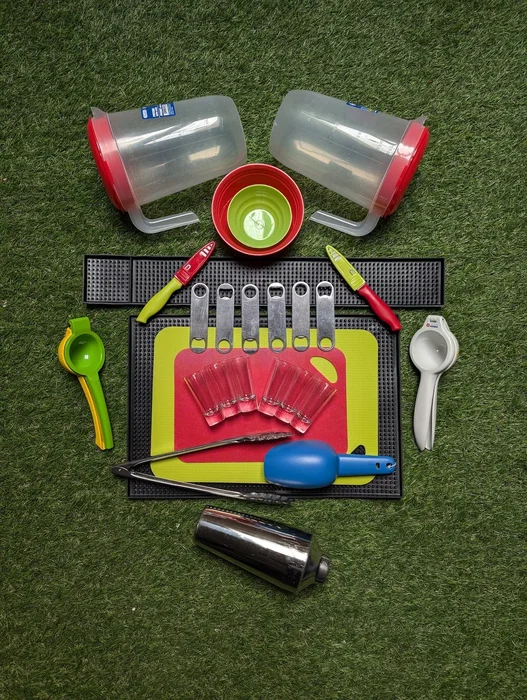
For your bar setup, think about refrigeration, bar mats, shot glasses, ice bins, and whether you’ll be using drink tickets or running a cash bar.
We can help stock your bar with bar setup gear and fridges — get in touch if you’d like help planning it out.
We’re working on a more detailed article about beverage service. We’ll link it here once it is ready.

Greening & Cleanup
A clean event looks professional and keeps your venue happy. Plan your waste streams — compost, recycling, returnables, and garbage — and make sure there are enough bins and bags around the site.
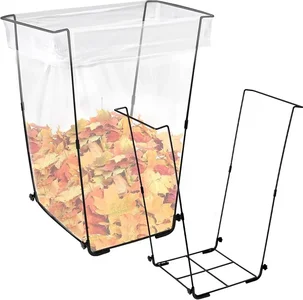
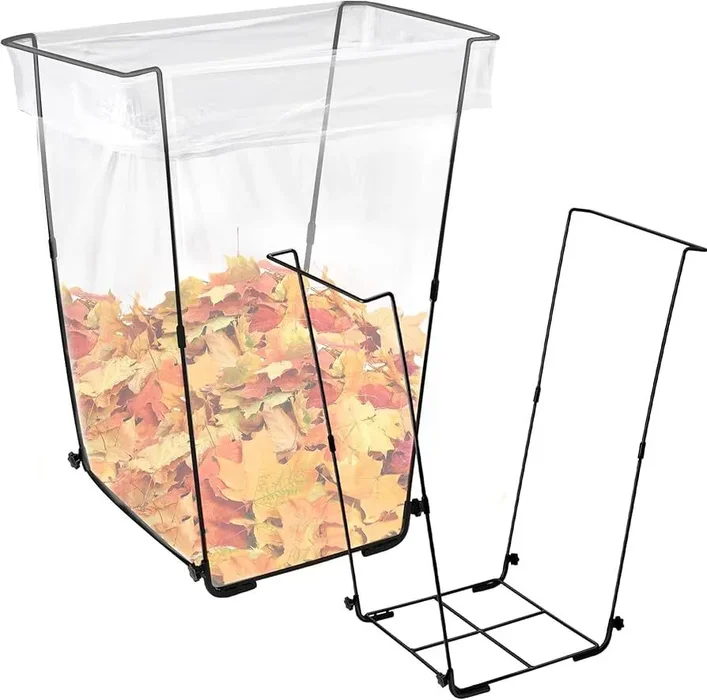
We stock garbage bags, recycling bags, and wire frame holders to keep things organized. Having cleaning supplies ready for teardown also saves a ton of stress when everyone’s ready to pack up and go. Don’t forget signage to tell people what to put where. We like to attach signage to our wire frame bag holders with bulldog clips to avoid mess.
You might also want to bring brooms, mops or cleaning supply kits if the venue doesn’t have them. Trash pickers and gloves are really helpful to stay clean and safe.

Hospitality
Take care of your crew and performers, and they’ll take care of the show. Stock snacks, water, coffee, plates, and utensils, and make sure you’ve got cold storage or a fridge for perishables.
We rent tables, chairs, coffee supplies, and kitchen gear
We’ve got a more detailed article about hospitality coming out soon.
Accreditation and Access Control
You’ll need to control who is allowed to do certain things. We like to use wristbands but you could also use a stamp or some sort of pass.
Make sure you’ve got a way to show who is allowed to:
-
Go backstage
-
Be in the venue (who has paid for their ticket)
-
Who is old enough to drink.
For our events we give people one of two wristbands when they enter the venue. One for people of drinking age and another for people under. If they don’t have a wristband at all they snuck in.
We often have some old stock of wristbands kicking around so if you are in a pinch we might be able to help you out with enough to cover a smaller show.
Signage
Signage is an often overlooked aspect. People at your event need to know how to find washrooms, exits, water, food etc. We’ve got a constantly expanding list of 11x17 laminated signs and the ability to make up more real quick, get in touch if you need help.
Paperwork & Office Supplies
Not the fun part, but critical. Make sure you’ve got printed copies of event permits, liquor licenses, and insurance, that you’re following local noise and liquor bylaws. If you are doing an outdoor show or otherwise customizing your site plan, the liquor inspector may want to see a copy of the site plan including the licensed area.
You may need paper and supplies for guest lists, set lists, or tracking tasks. Our stationary bundle is a good list of what we find works well to cover most situations. We put one of these in each area.

Need Help Making It All Happen?
We’ve been producing concerts and festivals on Vancouver Island for over 25 years and we’ve got the gear and experience to make your show happen.
👉 Explore our full event rentals catalog or get in touch for a quote or some friendly advice.